Why Many WordPress Redesigns Fail to Fix Performance Problems
Many WordPress redesigns improve visuals but fail to fix performance issues. Learn why slow websites stay slow after redesigns.
Chapters
A website redesign often promises a fresh start.
New layouts. Modern visuals. Updated branding.
For many businesses, a redesign also feels like the perfect opportunity to fix performance problems.
But surprisingly often, the website remains slow even after the redesign.
This happens because visual redesigns rarely address the underlying causes of performance issues.
Redesigns Often Focus on Visual Changes
Most redesign projects concentrate on design.
They update:
- layout and typography
- colors and branding
- page structure
- visual components
These changes improve how the website looks.
However, they do not necessarily improve how the system works behind the scenes.
Performance problems usually originate from deeper structural decisions.
Old Problems Can Carry Into the New Design
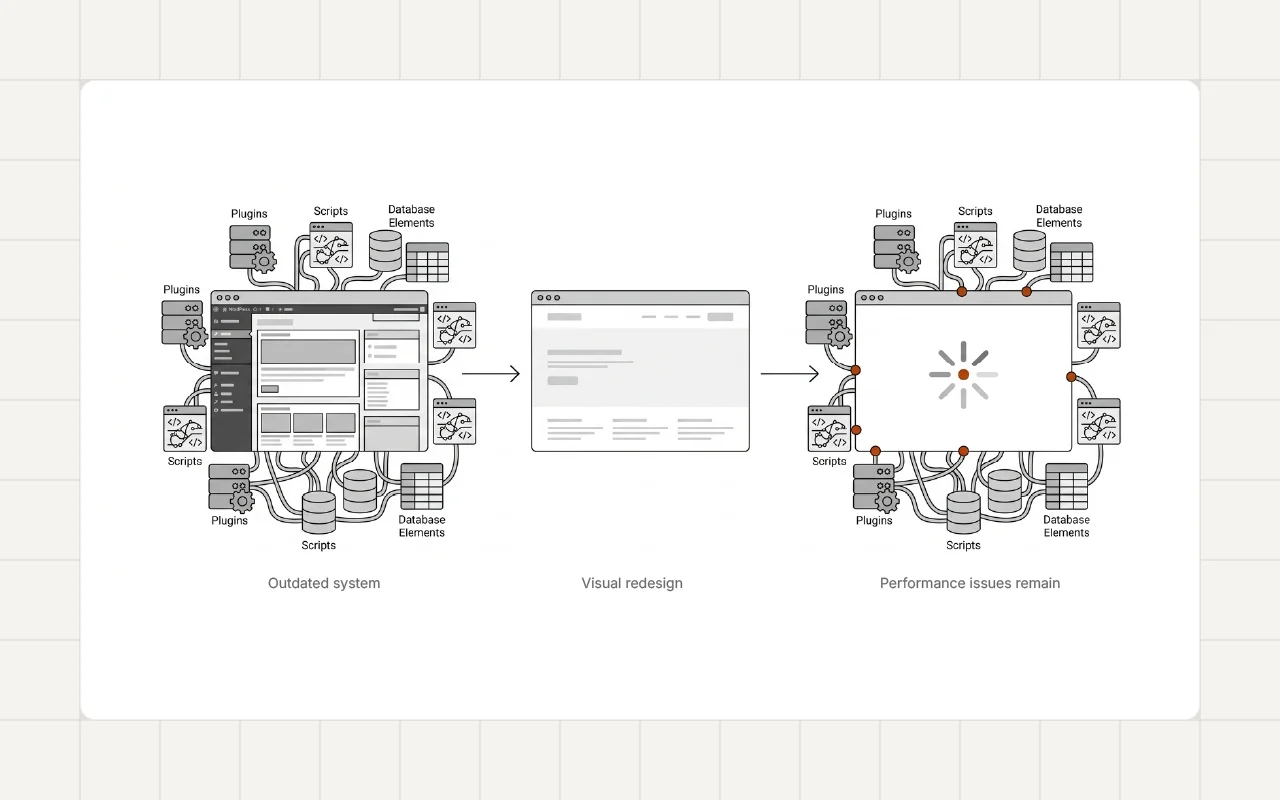
When redesigning a website, developers sometimes reuse the existing system structure.
Plugins remain installed. Scripts remain active. Asset loading patterns stay the same.
If the underlying system is not reviewed carefully, the redesign simply places a new visual layer on top of the old architecture.
As a result, the same performance issues continue after launch.
This gradual accumulation of complexity is explained in Why Most WordPress Websites Become Slow Over Time.
Page Builders Can Introduce Additional Overhead
Many redesign projects move toward page builders to simplify visual editing.
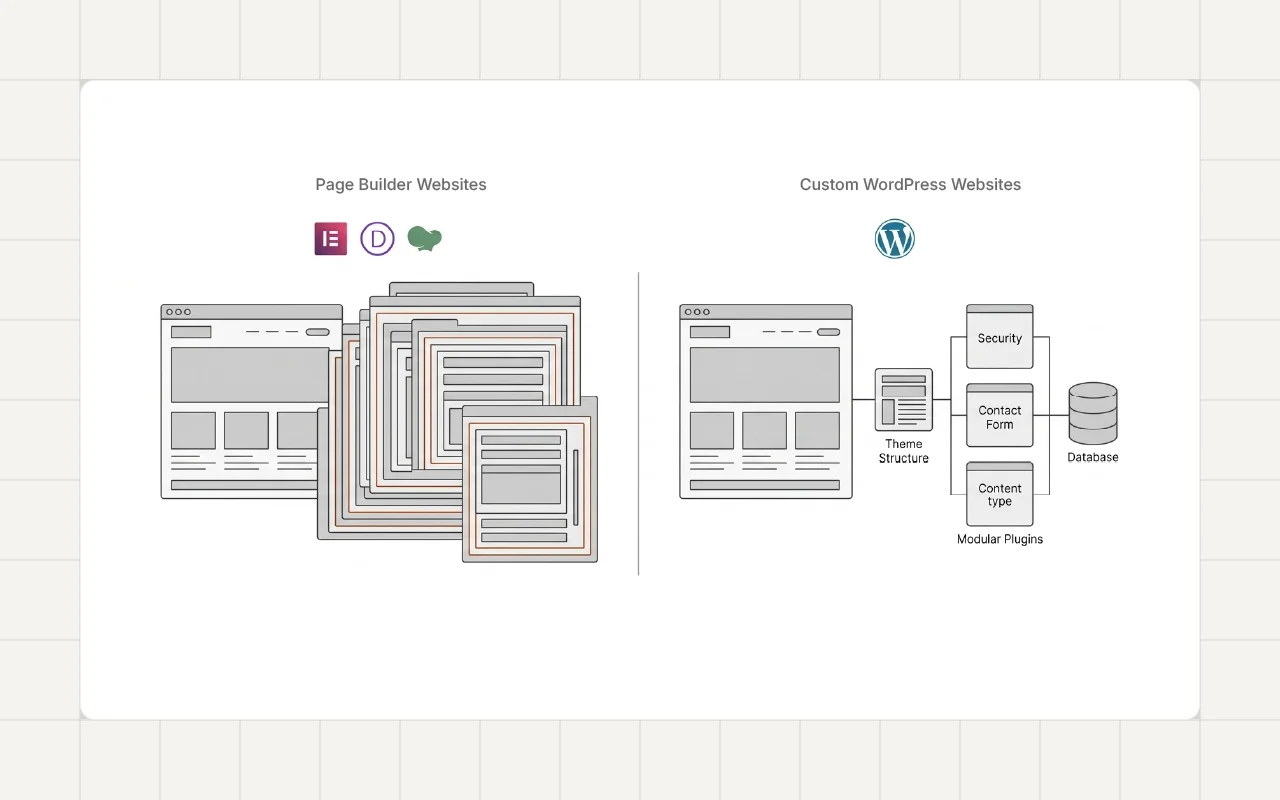
Page builders provide flexibility, but they can also introduce additional scripts and nested layout structures.
While this makes design updates easier, it can increase page weight and rendering complexity.
These structural layers are part of the maintenance challenges discussed in The Hidden Maintenance Cost of Page Builders.
If the redesign relies heavily on builder extensions, performance improvements may remain limited.
Plugin Accumulation Remains Untouched
Another common issue is plugin accumulation.
During redesign projects, existing plugins are often kept in place to avoid breaking functionality.
Over time, websites accumulate plugins that load scripts, queries, and background tasks.
Without reviewing plugin usage, the redesigned website continues running the same heavy system.
This pattern is explored further in Why Plugin Bloat Slowly Breaks WordPress Websites.
Performance Requires Architectural Changes
Improving performance usually requires more than design changes.
It requires examining how the system loads resources.
Important questions include:
- Which scripts load globally?
- Which plugins are essential?
- How are assets loaded across pages?
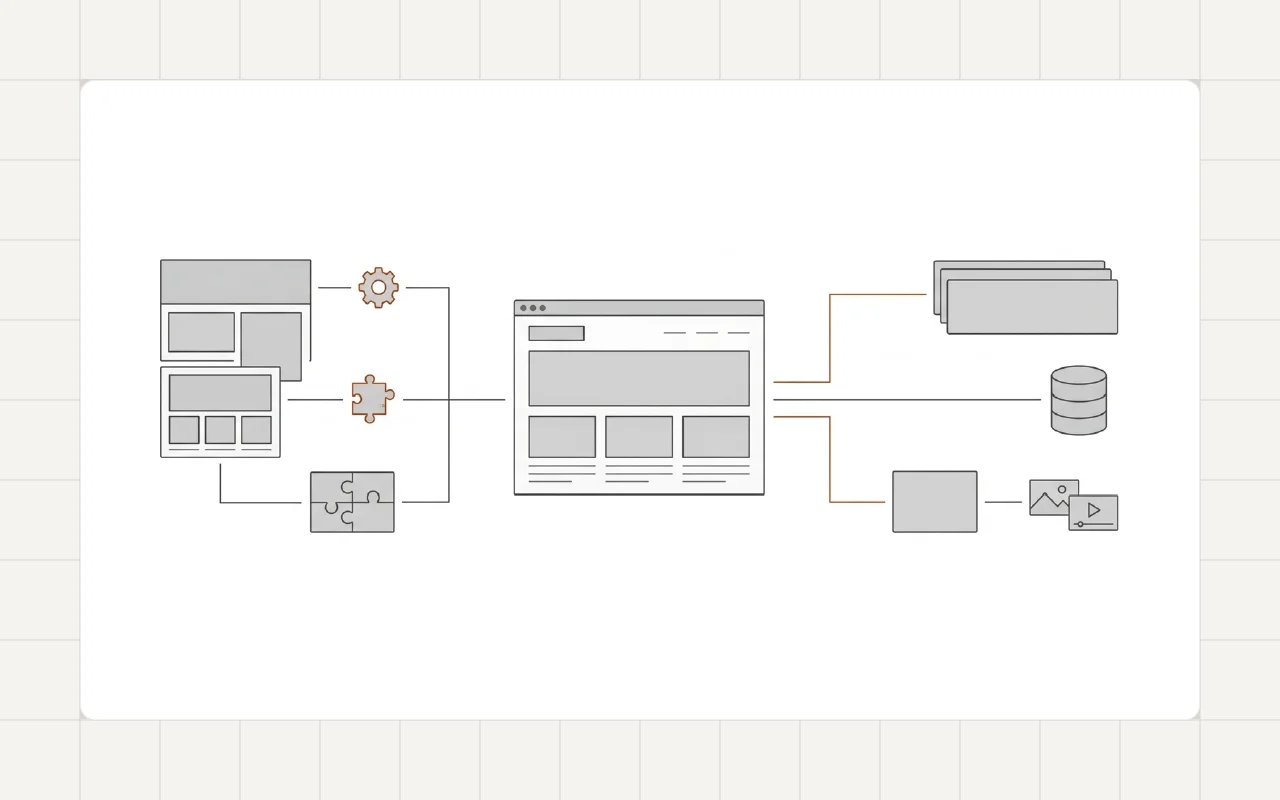
- How complex is the theme structure?
Addressing these architectural questions is often necessary to achieve lasting performance improvements.
This structured approach is discussed in Performance-First WordPress Development: A Practical Approach.
Real-World Example
Performance issues often appear even after visual redesigns.
For example, during the Interior Design Website Revamp with Custom WordPress Development project, improving performance involved more than updating the design.
The project included structural adjustments that simplified layout components and improved asset loading.
This approach helped ensure the redesigned website remained both visually modern and technically efficient.
A Developer Perspective
From a development perspective, redesigning a website should involve both design improvements and structural evaluation.
Developers typically review:
- plugin usage
- asset loading patterns
- theme architecture
- media optimization
When both design and system architecture are considered together, redesign projects can produce much better long-term results.
Long-Term Perspective
Redesign projects are valuable opportunities to improve a website.
But focusing only on visual changes can limit the benefits.
When performance, architecture, and maintainability are evaluated alongside design improvements, the results tend to be more sustainable.
This balanced approach helps ensure that a redesigned website is not only modern in appearance but also efficient and maintainable.
Conclusion
Many WordPress redesigns improve how a website looks but fail to address deeper performance issues.
Slow websites usually remain slow when the underlying architecture stays the same.
A redesign that includes structural improvements, plugin evaluation, and performance-focused development practices is more likely to produce lasting results.
If your website has been redesigned but performance issues remain, feel free to reach out.