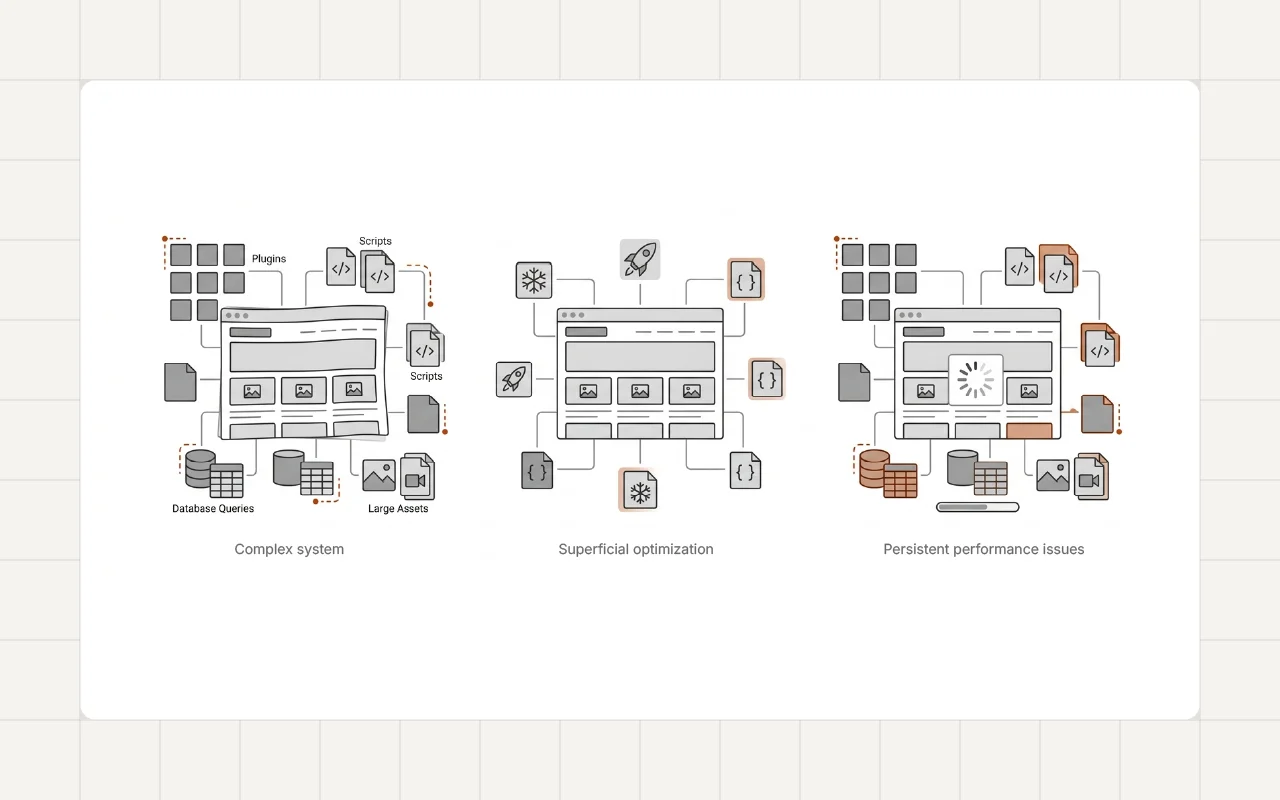
Why WordPress Performance Optimization Often Fails
Many WordPress performance optimizations fail because they treat symptoms instead of causes. Learn the real reasons optimization efforts break down.
Many WordPress performance optimizations fail because they treat symptoms instead of causes. Learn the real reasons optimization efforts break down.
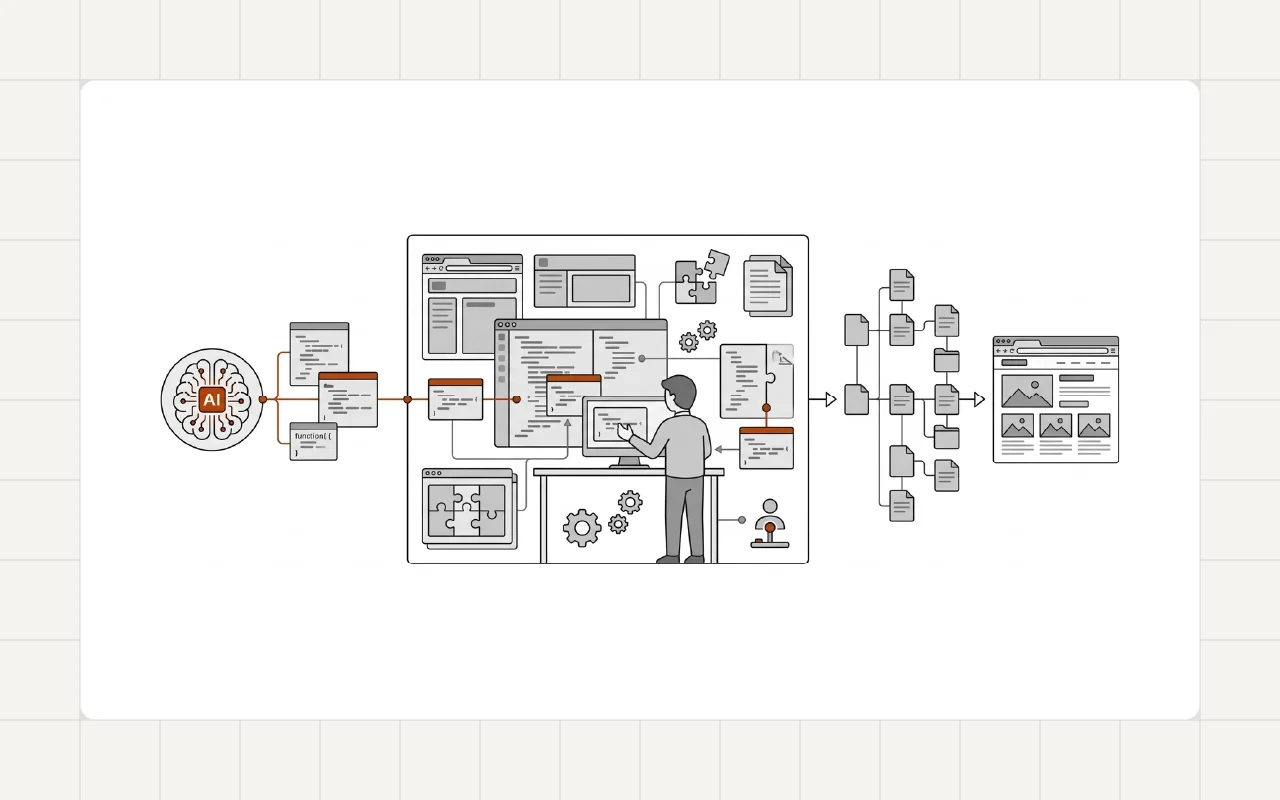
AI tools are transforming software development, but will they replace developers? A practical look at what AI can and cannot do.
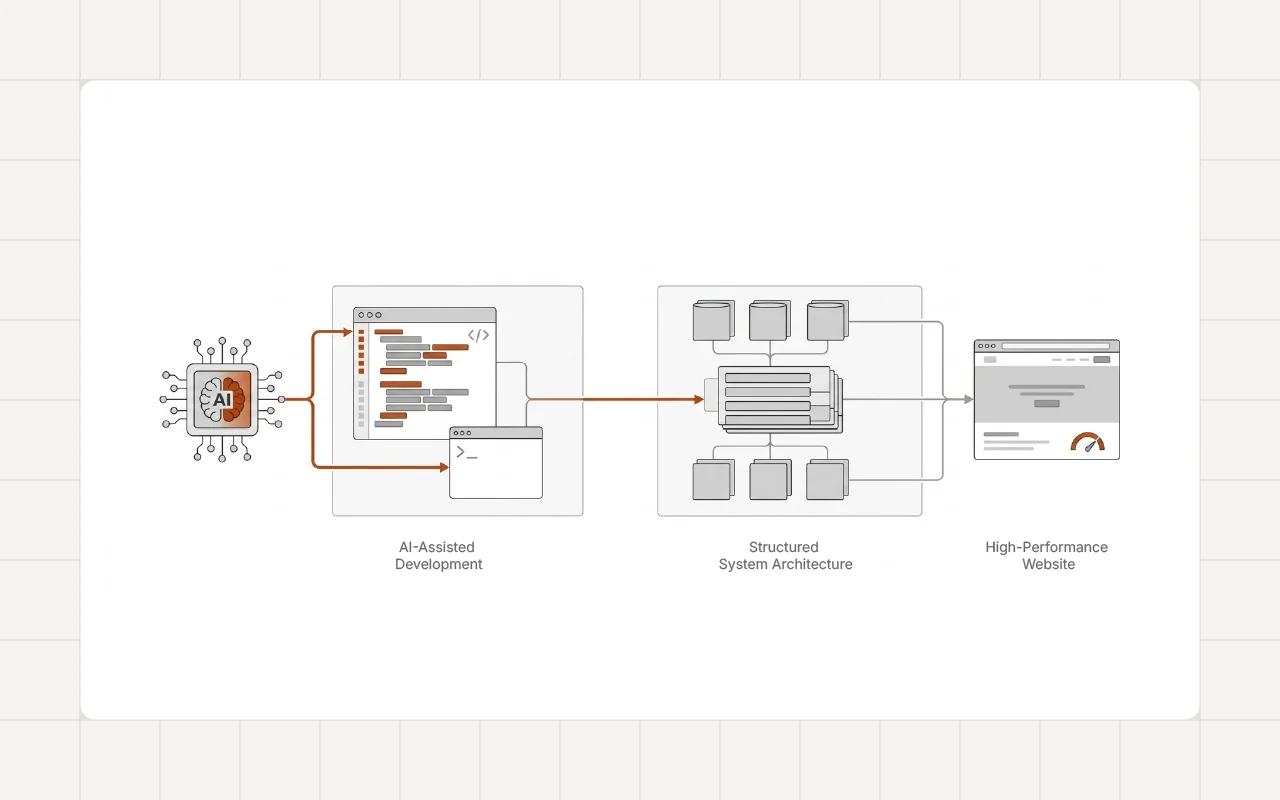
AI tools are changing how developers write code, debug problems, and plan projects. Learn how AI is shaping modern web development workflows.
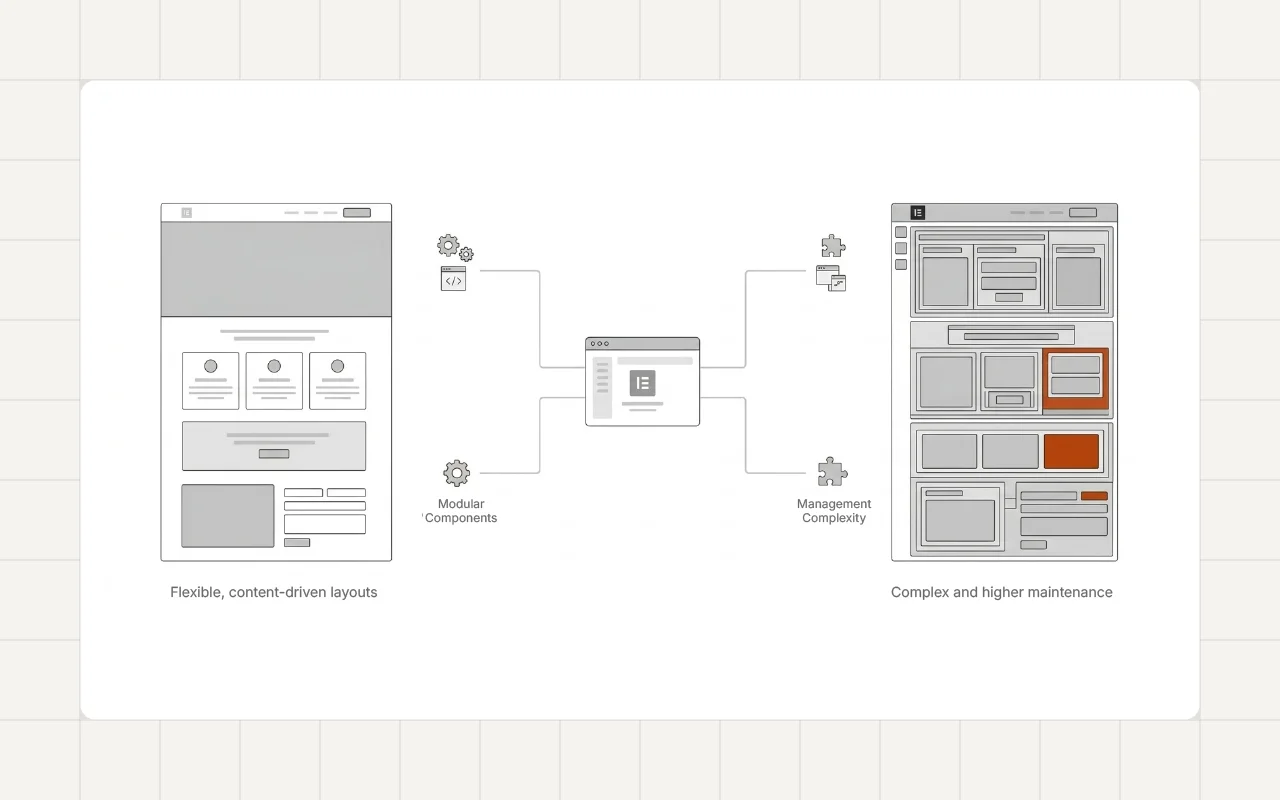
Elementor can be a powerful tool for WordPress websites, but it isn’t always the best solution. Learn when Elementor works well and when custom development is better.
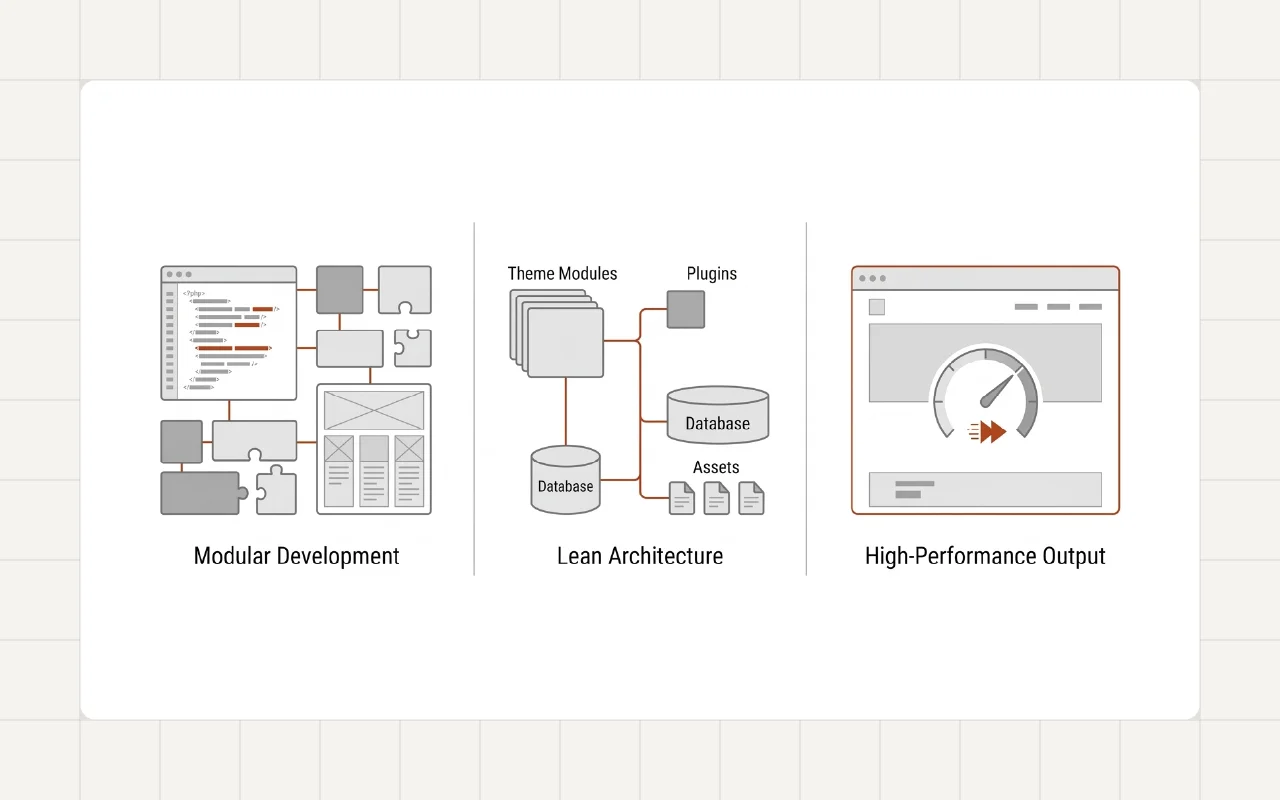
Performance-first WordPress development focuses on clean architecture, minimal plugins, and optimized assets to keep websites fast long term.
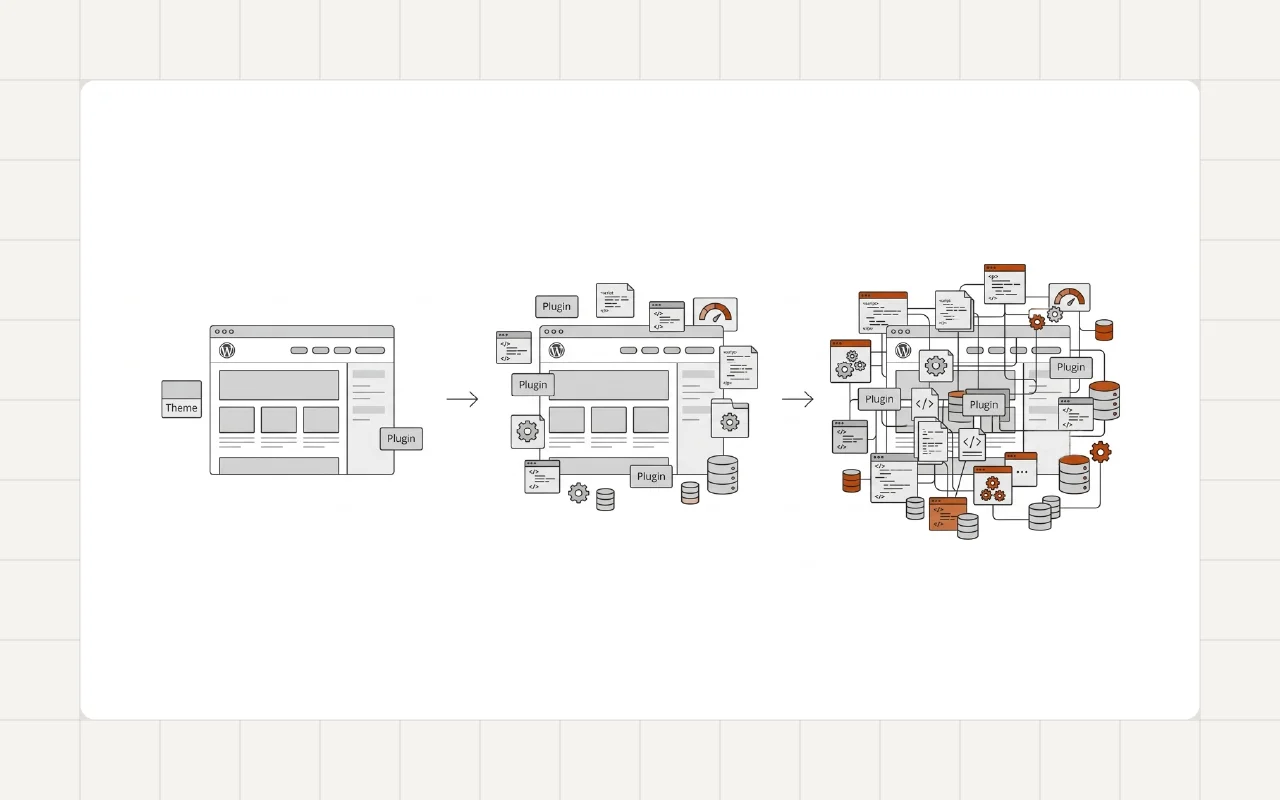
Many WordPress websites become difficult to maintain as they grow. Learn the common causes of technical complexity and how to prevent it.
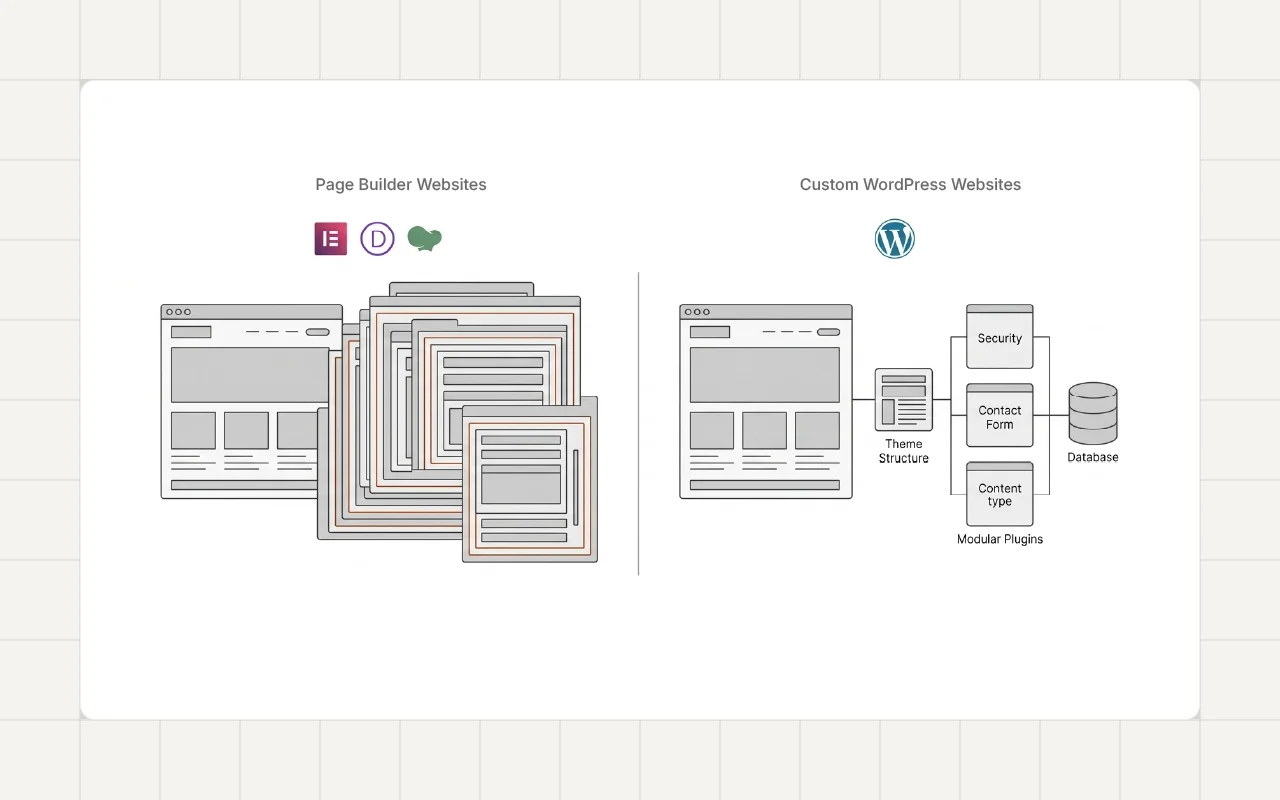
Custom WordPress and page builders serve different needs. Learn the long-term differences in performance, flexibility, and maintainability.
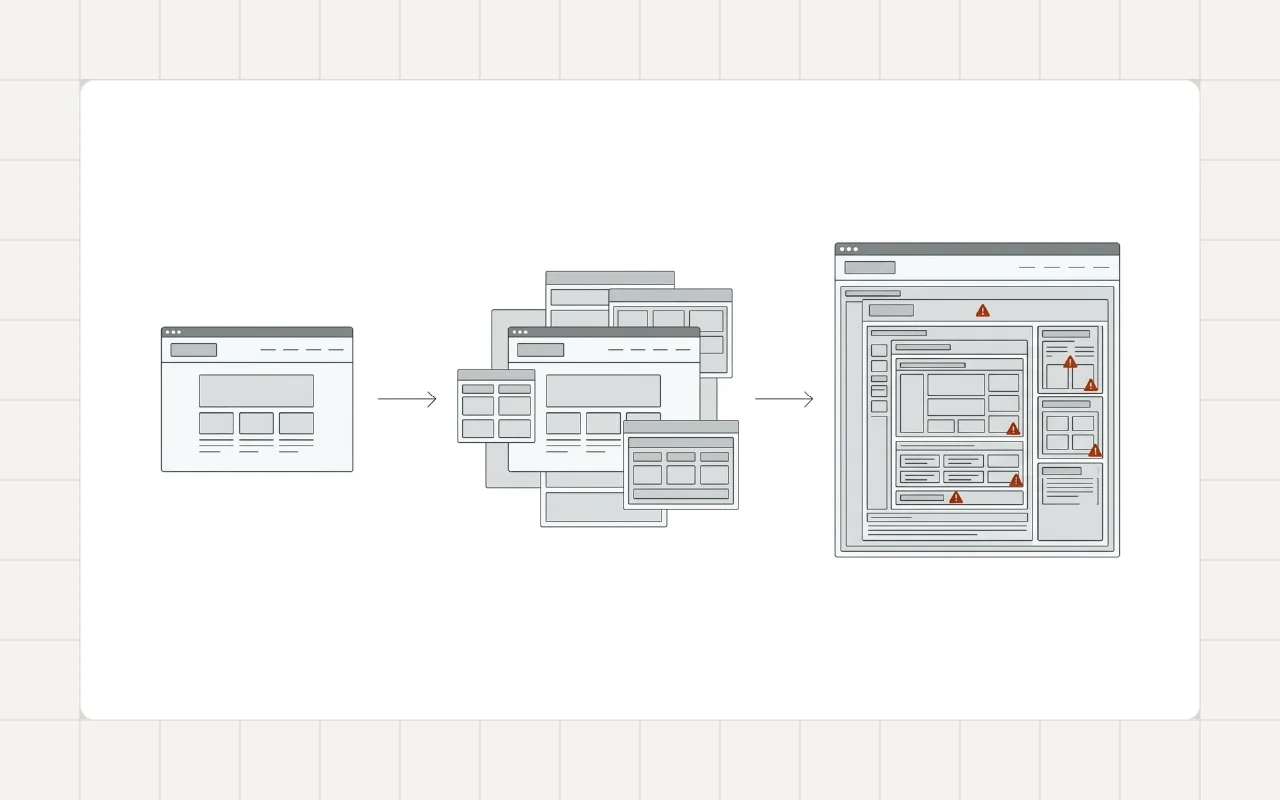
Page builders make WordPress easy to launch, but they often introduce long-term maintenance challenges. Learn the hidden costs developers see.
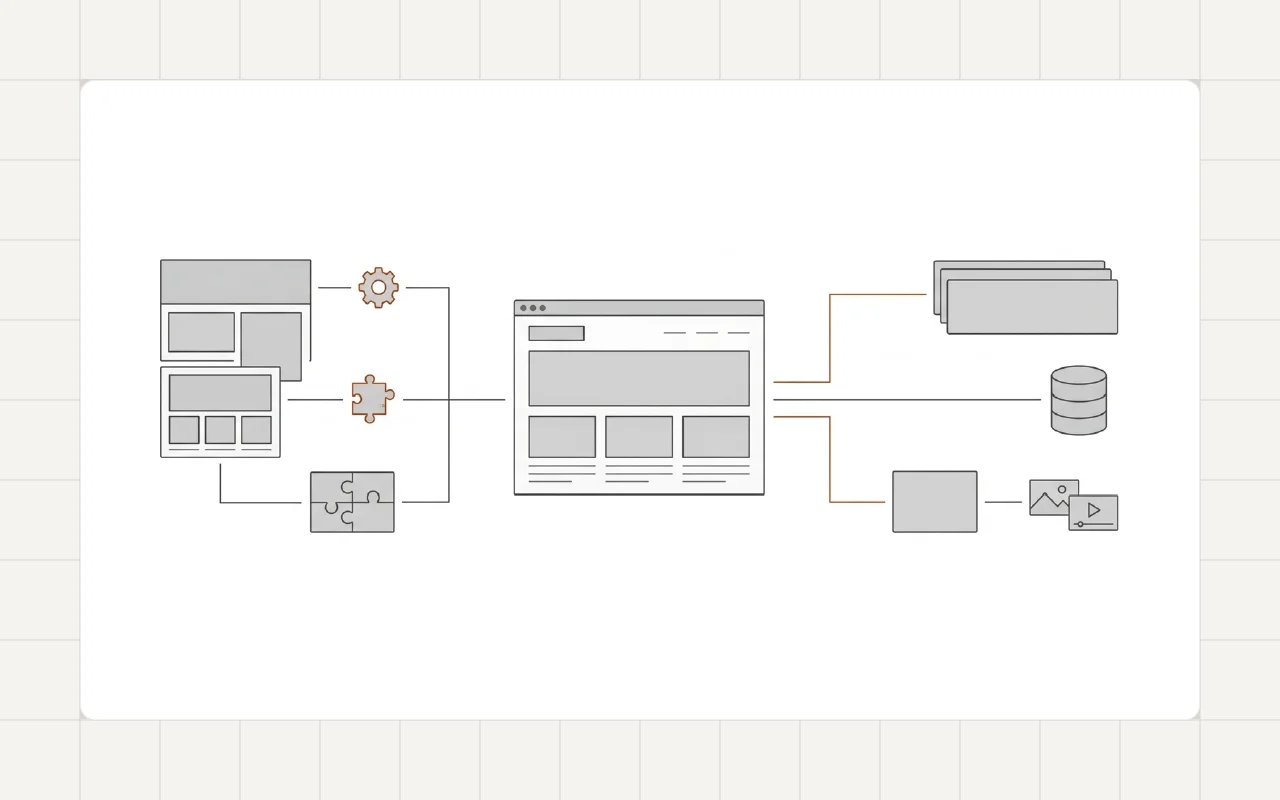
Clean WordPress architecture improves performance, maintainability, and long-term stability. Learn how structured development prevents technical debt.
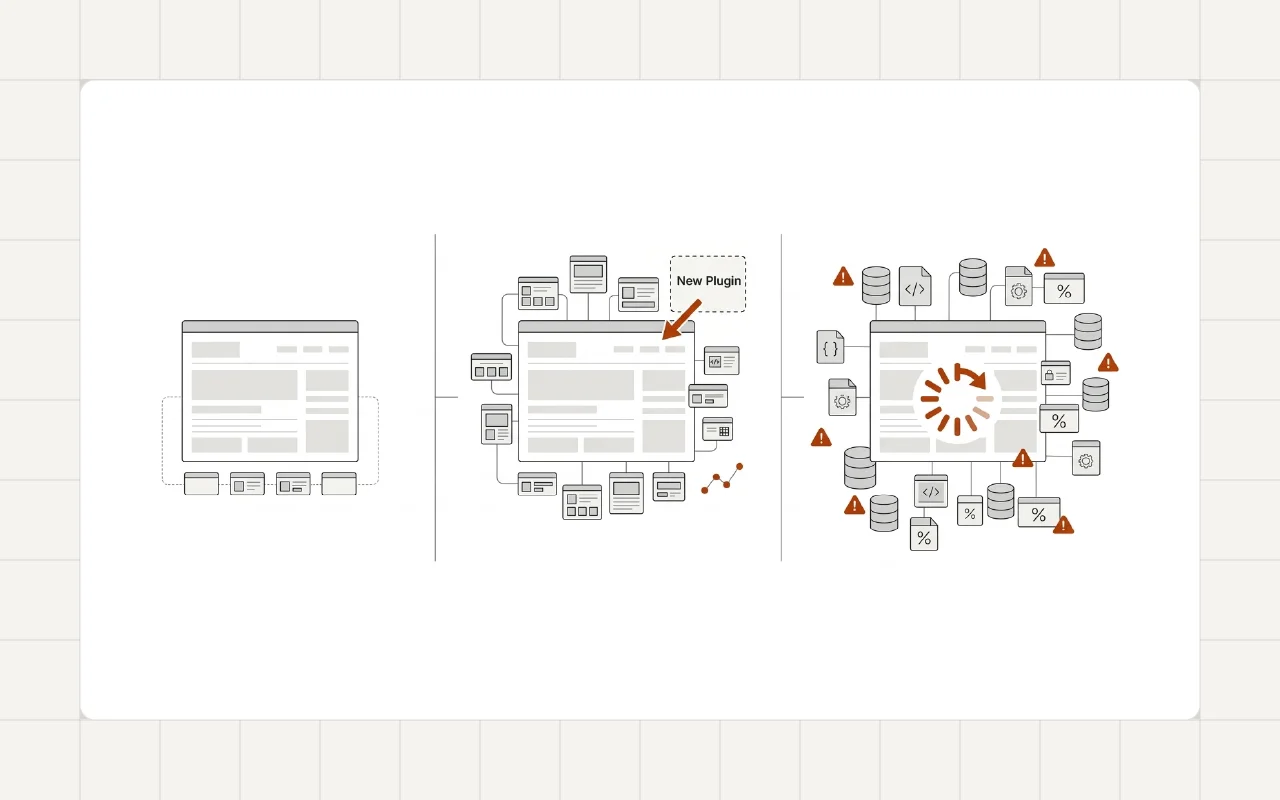
Too many plugins can slow down and destabilize WordPress websites. Learn how plugin bloat happens and how to maintain a clean, fast site.
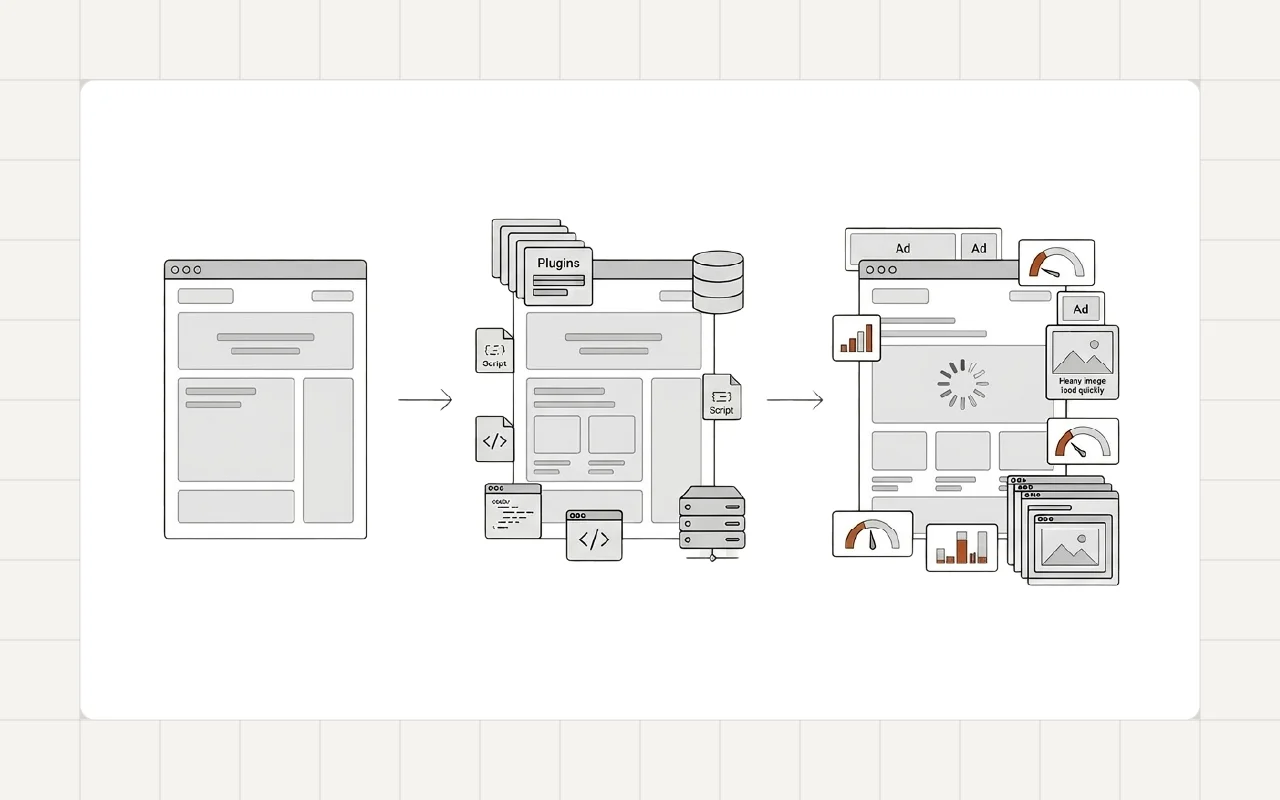
Poor Core Web Vitals often come from scripts, images, and theme architecture. Learn the real causes behind WordPress performance issues.
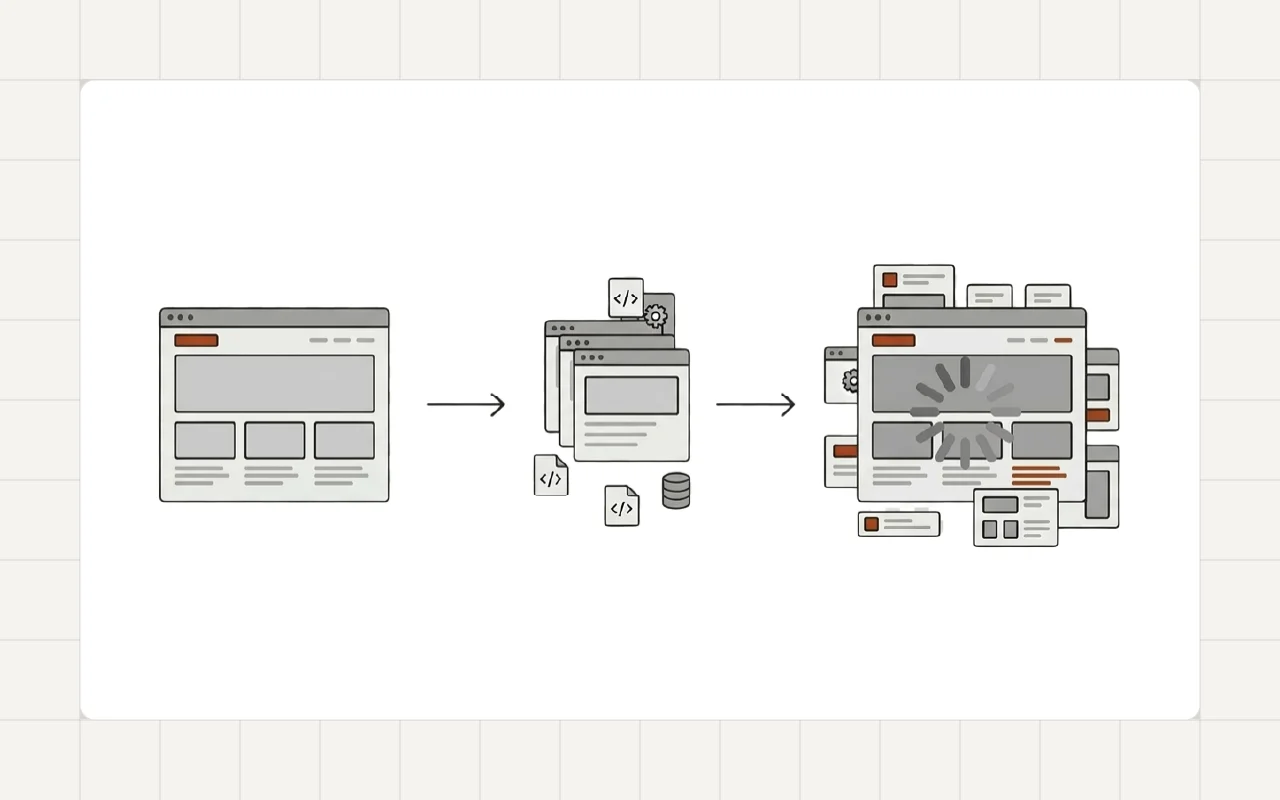
Many WordPress websites become slow over time. Learn the real reasons behind performance decline and how clean architecture prevents it.
We use cookies to improve site performance and understand how visitors use the site. You can choose what to allow.